
Real Food, Real Love: Why We Recommend Fresh, Whole-Food Diets and How to Safely Transition Your Pet.
Updated: Feb 12

Let's be honest, you wouldn't live on dry cereal. Your pet deserves better than a lifetime of kibble, too.
As the founder of A Pet Sitting Love Hub, I see inside hundreds of pet bowls each year. I have witnessed the sparkle that emerges in a senior dog's eyes, the softer coat on a once-itchy cat, and the visible happy energy shift that often follows a simple diet upgrade.
A quiet revolution is happening in pet nutrition, backed by real science. It's all about moving away from ultra-processed kibbles to fresh, whole-food meals. But passion without a plan is risky.
This guide merges genuine love for real food with the veterinarian-guided precision needed to do it safely.
Why What's in the Bowl Actually Matters
For decades, the pet food aisle has been dominated by extruded kibble. It's convenient, shelf-stable, and meets basic standards. But "complete and balanced" is a nutritional starting point, not the ultimate goal. The real question is - how do we get there?
High-heat extrusion, the process that makes kibble, can create compounds called Advanced Glycation End Products, or AGEs. Emerging research is exploring what sustained exposure to these compounds means for long-term health in our pets.
Early but compelling studies, like one observing senior dogs over a year, have shown that minimally processed diets can lead to different, often more favorable, metabolic profiles compared to highly processed foods.
The processing method itself is a variable in the health equation. Choosing a fresh, whole-food approach is a proactive way to minimize unknowns and maximize the quality of every bite.
By choosing ingredients closer to their natural state, you’re sending clearer, healthier signals to your pet’s entire system.
Fresh and Whole Food, Done Right
Love alone is not enough when it comes to nutrition. "Complete and balanced" still matters immensely. A diet of only chicken and rice, no matter how lovingly prepared, will lead to serious deficiencies over time. The goal is to upgrade the ingredients and the process, not abandon nutritional science.
Consider these two fail-safe paths:
The AAFCO Assurance: Look for fresh or gently cooked commercial diets that carry an AAFCO nutritional adequacy statement. This means the food has been formulated or tested to meet all of your pet's known nutritional needs.
The Veterinary Nutritionist Blueprint: If you dream of home-cooking, consult a board-certified veterinary nutritionist. You can find one at acvn.org. They’ll create a custom recipe tailored to your pet’s age, breed, and health, including necessary supplements.
Experts from places like Tufts University constantly caution that well-meaning homemade diets often drift off-recipe, becoming incomplete over time.
That’s why we’re big fans of batch cooking with a vet nutritionist-approved plan. Using a pressure cooker or slow cooker, you can make affordable, freezer-friendly meals that are both nourishing, safe, and cooking time is fast. It turns fresh food from a daunting daily chore into a manageable, loving routine.
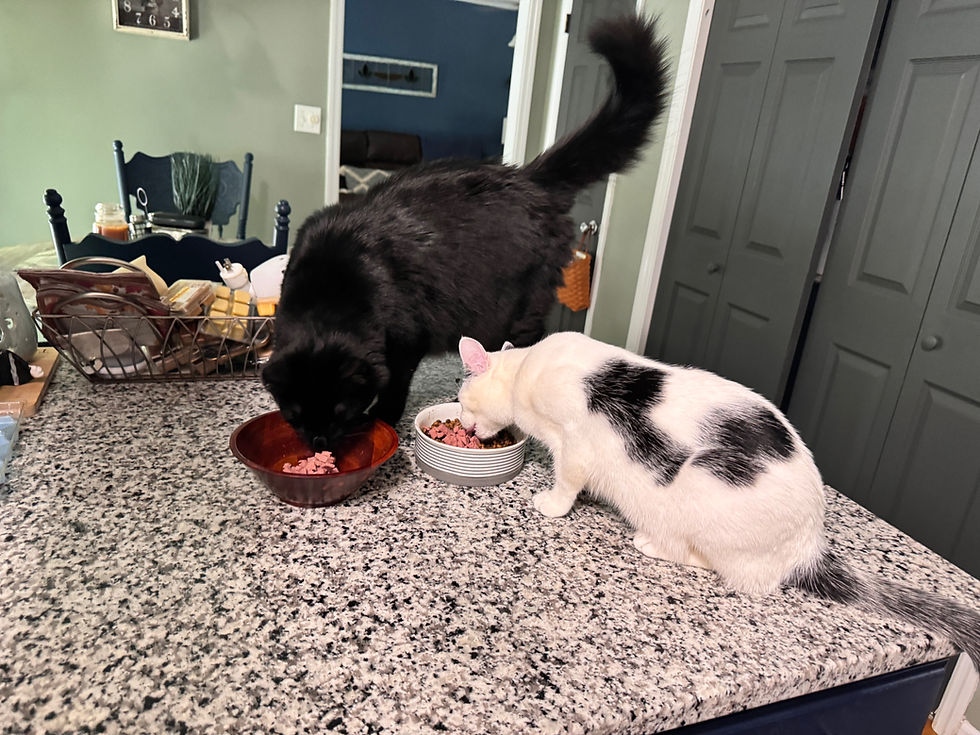
Navigating the Commercial Fresh Food Landscape
If batch-cooking feels like too much, the growing market of commercial fresh and gently cooked diets is here to help. But must be navigated wisely.
Ignore the marketing on the front of the bag. Always turn it over.
Your first task is to find the AAFCO statement. This is non-negotiable for a complete and balanced diet. Next, read the ingredient list. It should read like a short recipe you could make yourself: “Beef, beef liver, carrots, peas, sunflower oil…”, not a novel of unpronounceable additives.
Do a little homework on the company. Are they transparent about their sourcing and cooking methods? Do they use gentle pasteurization instead of ultra-high heat? And remember, grain-free is not automatically better. It has been linked to specific health concerns in some dogs. Your vet-nutritionist is an invaluable partner here. Their guidance helps you cut through marketing hype and select a commercial fresh food that truly delivers on its promise of superior, minimally processed nutrition.
What's in the Bowl: Your Simple Framework
A nutritionally complete fresh meal is a purposeful combination. The foundation of every meal should be a high-quality animal protein, such as chicken, turkey, beef, or fish.
Don't forget to add colorful plant matter. Options like shredded kale, steamed green beans, or a spoonful of pureed pumpkin or butternut squash are fantastic as they pack in essential vitamins and antioxidants.
For carbohydrates that support energy and digestion, consider cooked quinoa, brown rice or oats.
Remember, while a few plain, cooked noodles (pasta) are generally safe as a rare treat, they offer little nutritional value and can lead to unhealthy weight gain, so they should never be a regular part of your pet's bowl.
You can also include smart extras for a nutrient boost. A few blueberries or a bit of shredded apple (seeds removed) adds flavor and fiber. For pets, it's best to cook and mash peas thoroughly to aid digestion. A sprinkle of ground flaxseed provides healthy fats, and a tiny dollop of plain yogurt can support gut health.
When it comes to leafy greens, both kale and spinach are safe in very small amounts, but kale has much lower oxalates than spinach. This makes kale a safer choice for frequent feeding, especially for pets prone to kidney issues. Spinach should be given only sparingly and avoided entirely for pets with known kidney concerns.
Finally, don’t forget essential fats, which are crucial for skin, coat, and brain health; these are often added through a supplement like fish oil which can be added and mixed directly into food in the liquid form.
Batch-cook, portion into freezer-friendly containers, and thaw as needed. Remember to rotate your protein source every week or two for variety and a broader nutrient profile. This rotation helps prevent the development of food sensitivities and ensures a wider spectrum of amino acids and minerals over time.
Your No-Stress Transition Plan (7–10 Days)
Switching foods too fast is a top cause of upset stomachs. Patience here is a true form of love. Follow this gradual blend over 7 to 10 days:
Day 1–3: Mix 75% of your pet’s current food with 25% of the new food.
Day 4–6: Move to a 50/50 blend.
Day 7–9: Shift to 25% old food and 75% new food.
Day 10: Serve 100% new food.
Watch your pet closely. Monitor their stool, energy, and skin. A minor, temporary change is normal. If you see significant diarrhea, vomiting, or lethargy, pause the transition and consult your vet. These small tweaks in pace lead to big health wins without the digestive drama.
Introduce the new food at a consistent time of day, perhaps starting with the morning meal. Keep a simple log, just a note on your phone, to track progress. You're giving your pet’s digestive enzymes and gut microbiome the gentle nudge they need to adapt successfully. Rushing this process can cause unnecessary stress for both you and your pet.
Making It Work: Budget and Prep Tips for Real Life
A fresh diet can be cost-competitive with premium kibble when you employ a smart strategy.
Buy in Bulk: Source proteins from wholesale clubs or local farmers. Portion and freeze immediately to lock in freshness and value.
Embrace Seasonal Produce: It's cheaper and at its nutritional peak. Don't overlook frozen vegetables like green beans and peas. They are excellent, affordable options packed with nutrients.
Declare a Batch-Day: Every two or three weeks, spend a Sunday afternoon cooking and portioning a month's worth of meals. It's a labor of love that pays off in daily convenience. It ensures you never face the “what’s for dinner?” panic for your pet.
For unavoidably busy weeks, a hybrid approach is a perfect and intelligent compromise. Use a high-quality, complete, and balanced kibble or canned food as a reliable base. Top it generously with a scoop of your homemade food or a commercial fresh topper. This maintains the nutritional safety net while still delivering a powerful boost of fresh, minimally processed nutrition.
Our Role as Your Pet's Care and Feeding Team




I have to agree with Tonya. My dog Rowdy loves his fresh homemade food. It’s not difficult to do and it makes my heart happy when I see him get excited and jump in the air when it’s time to eat. I do add nutritional yeast to his food because I know that it’s good for him and nutritional yeast helps to keep fleas off of dogs. Fleas can smell it, but you can’t. I also give him a couple of times a week dried seaweed. Now this may not be for every dog, but he loves his seaweed. I have definitely noticed a complete difference over the years between kibble and fresh homemade food.
Thank you, Tonya for posting…